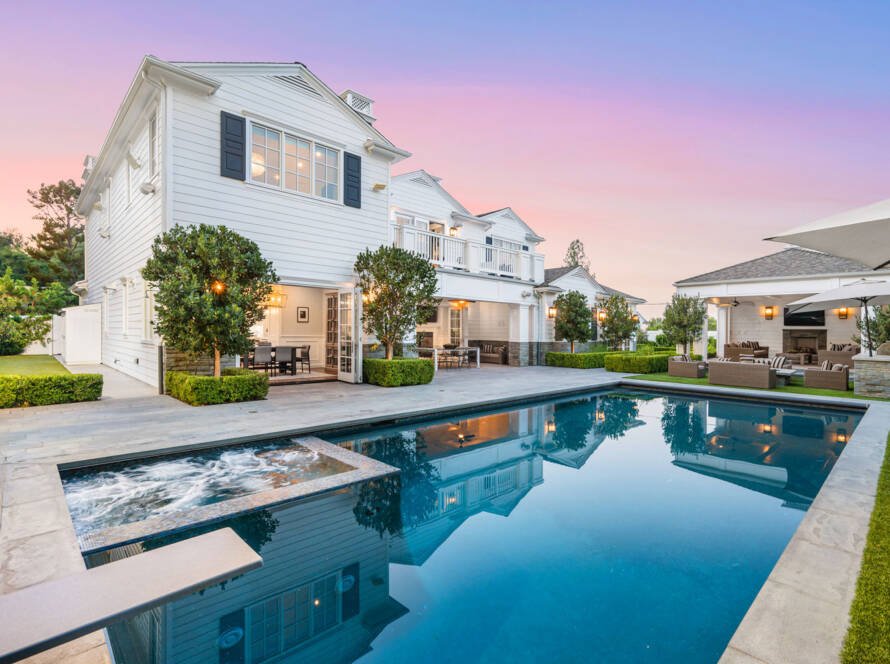
Choosing an inground pool in New England comes down to three materials — fiberglass, gunite (concrete), and vinyl liner — and the right answer depends on your budget, your design vision, and how much you care about winter durability and maintenance. Our freeze-thaw climate treats each material differently, so a choice that’s easy in Florida deserves more thought in Massachusetts. This guide compares all three head-to-head — cost, lifespan, winter performance, maintenance, and customization — so you can pick the pool that fits your backyard and our climate.
Key Takeaways
- Best for New England winters: Fiberglass — its flexible, non-porous shell resists freeze-thaw cracking and frost heave with minimal winter maintenance.
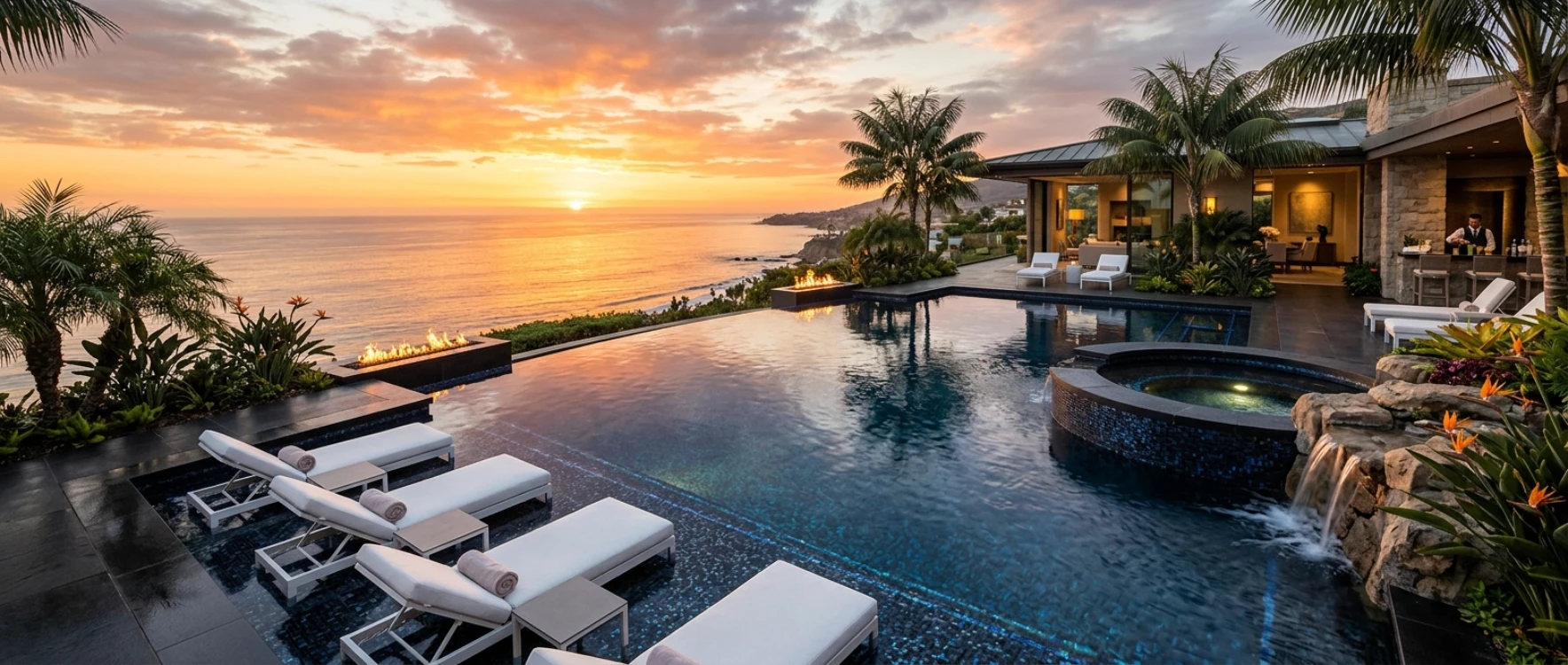
- Most customizable: Gunite — built on-site, it can be any shape, depth, or design, including vanishing edges and integrated spas.
- Most affordable upfront: Vinyl liner — lowest entry cost, but plan to replace the liner every 8–12 years.
- Longest-lasting & lowest maintenance: Fiberglass (25–30+ years, fewest chemicals); a well-built gunite pool also lasts decades but needs resurfacing every 10–15 years.
- Fastest install: Fiberglass (3–6 weeks) vs vinyl (4–8 weeks) vs gunite (8–16 weeks).
For a full price breakdown by type, see our companion guide: Inground Pool Cost in Massachusetts.
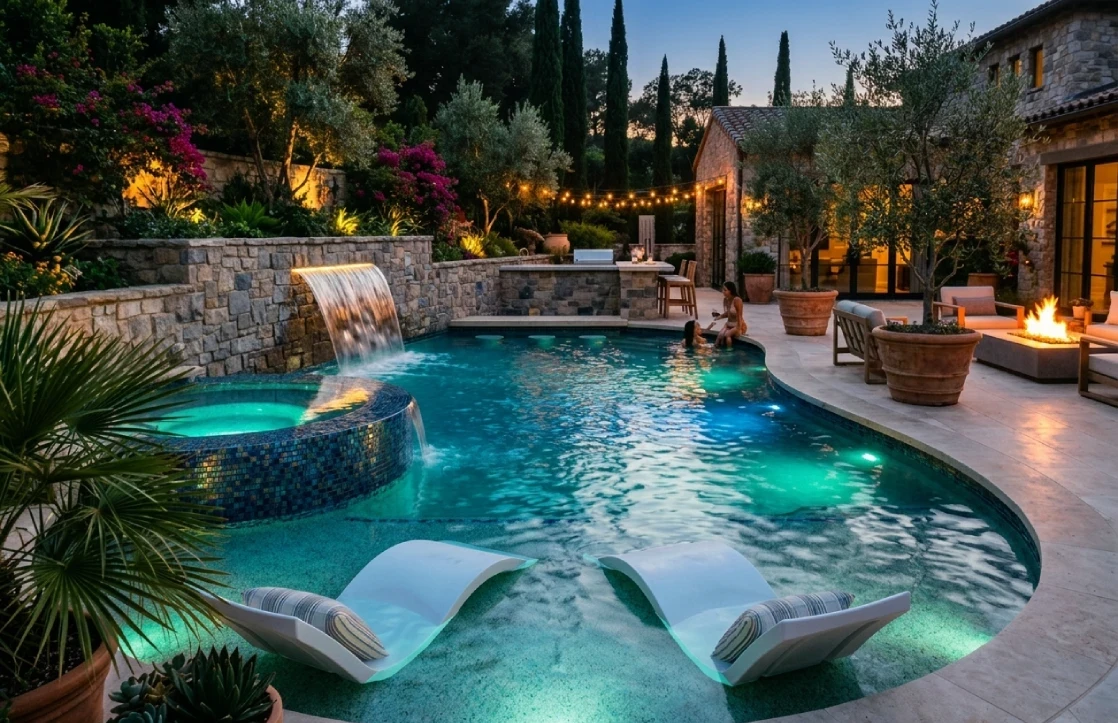
Fiberglass vs Gunite vs Vinyl: Quick Comparison
Factor | Vinyl Liner | Fiberglass | Gunite / Concrete |
Upfront cost (MA) | $45,000 – $80,000 | $65,000 – $100,000 | $75,000 – $150,000+ |
Installation time | 4 – 8 weeks | 3 – 6 weeks | 8 – 16 weeks |
Lifespan | Structure 30+ yrs (liner 8–12 yrs) | 25 – 30+ yrs | 30+ yrs (resurface every 10–15) |
Maintenance | Low (periodic liner swap) | Lowest | Highest |
Customization | Moderate (shapes) | Limited (factory molds) | Unlimited (any design) |
Winter / freeze-thaw | Walls OK; liner vulnerable | Best resilience | Surface needs extra care |
Surface feel | Soft, smooth | Smooth gelcoat | Textured plaster (or tile) |
Best for | Tightest budget | Value + low upkeep | Custom luxury builds |
Fiberglass wins on convenience, maintenance, and winter resilience; gunite wins on design freedom and premium durability; vinyl wins on upfront price.
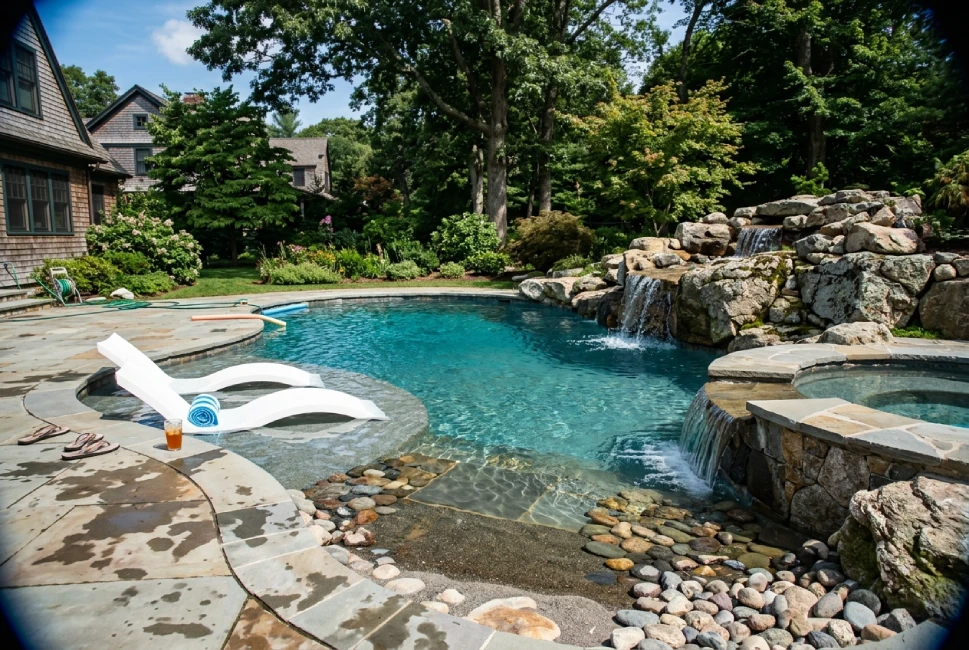
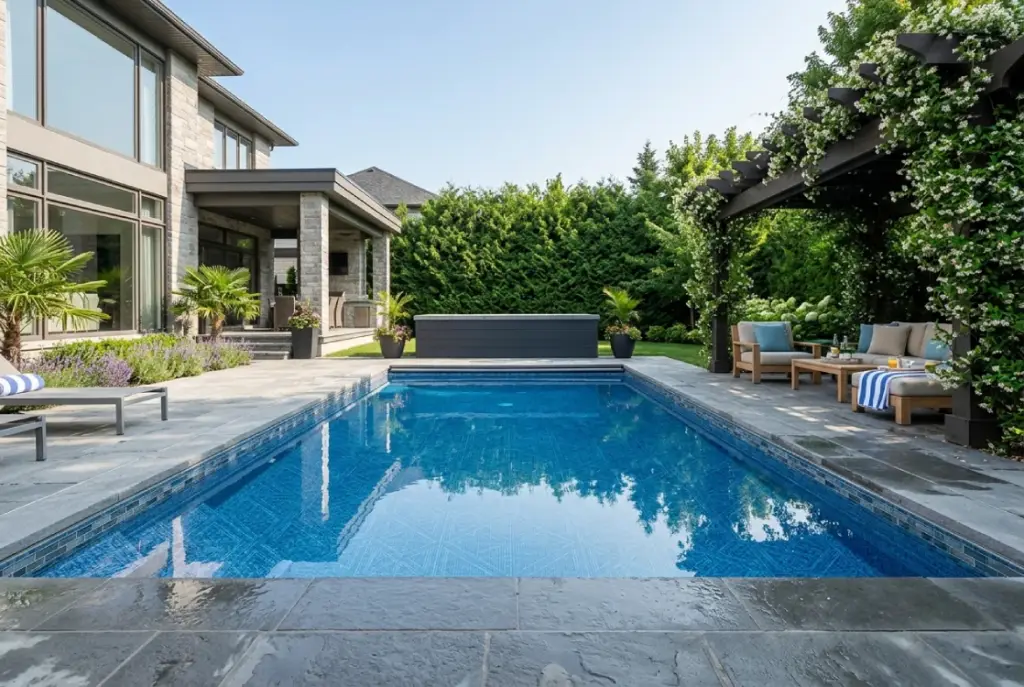
The 3 Inground Pool Types Explained
Fiberglass Pools
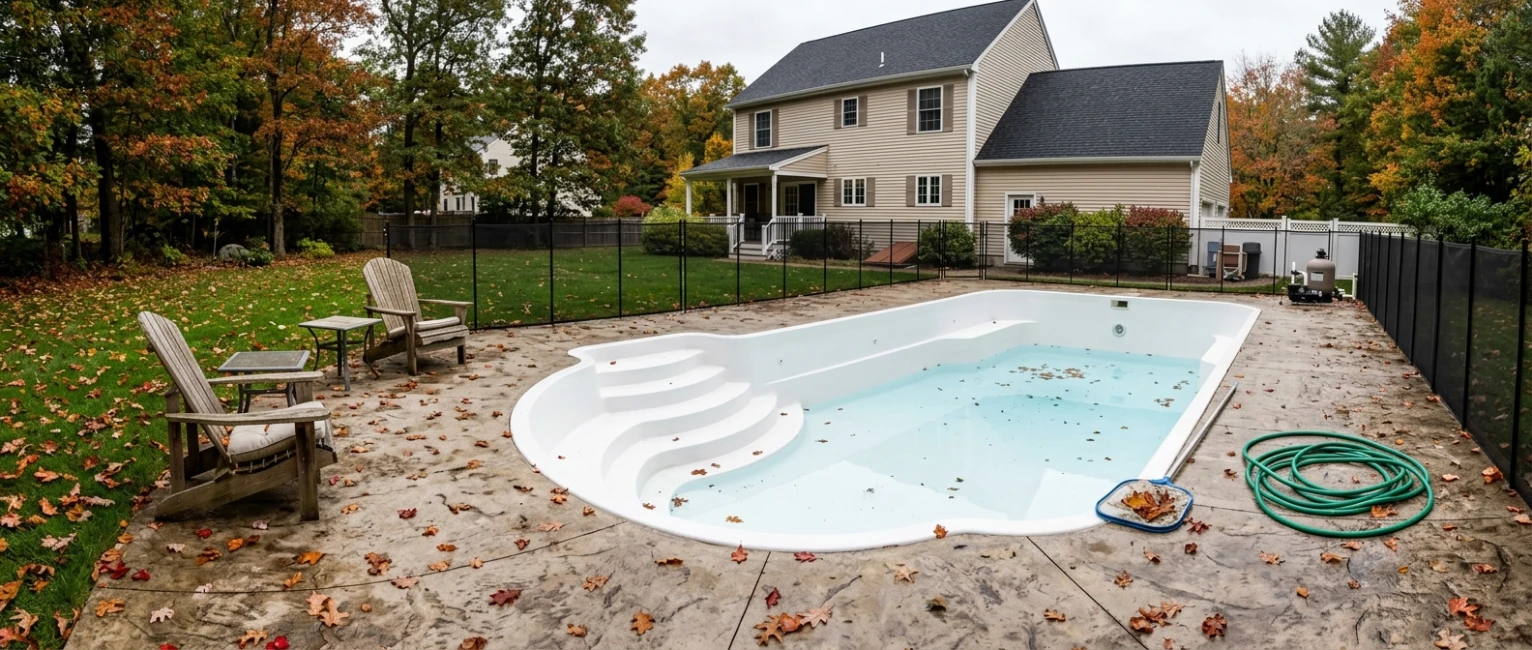
A fiberglass pool is a pre-molded shell manufactured in a factory and delivered to your property in one piece, then set into the ground. It arrives with a smooth, non-porous gelcoat surface already finished. Because the shell is pre-built, installation is fast — often just a few weeks. The main trade-off is that shapes and sizes are limited to what the manufacturer makes and what can be trucked to your site.
Gunite (Concrete) Pools
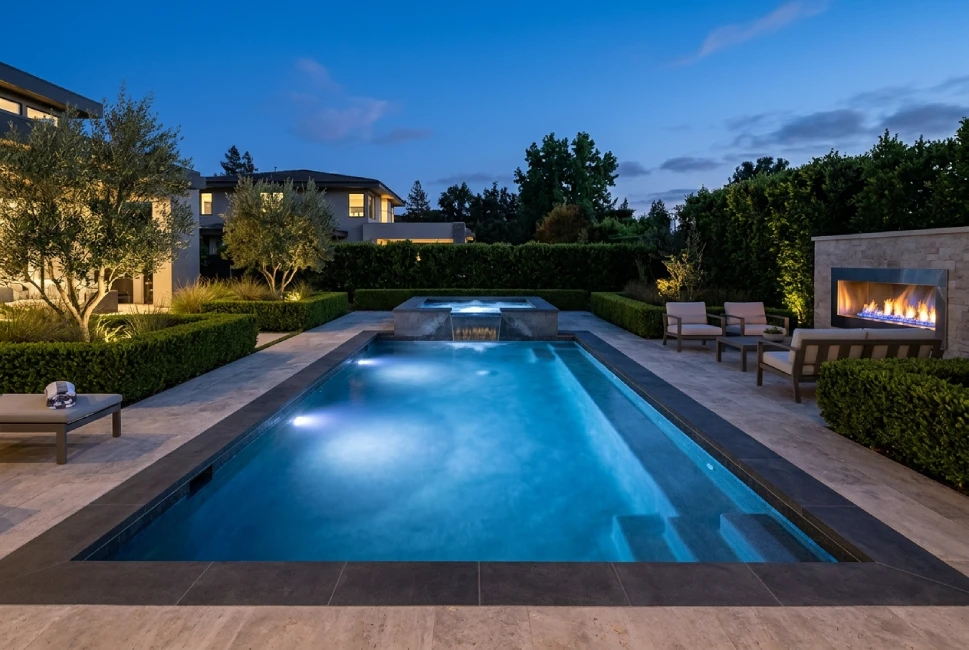
A gunite pool is built entirely on-site: a steel rebar frame is sprayed with a concrete-and-sand mix, cured, and finished with plaster, aggregate, or tile. This makes it the most customizable option — any shape, depth, vanishing edge, tanning ledge, or integrated spa is possible. The trade-offs are the highest cost, the longest build time (including a curing period), and a porous surface that needs more upkeep.
Vinyl Liner Pools
A vinyl liner pool is a framed shell — with steel or polymer walls — fitted with a custom vinyl liner that holds the water. It offers the lowest upfront cost and a soft, smooth surface that’s gentle on feet and resistant to algae. The liner is the wear item: it needs replacing every 8–12 years, which also gives you a chance to refresh the pool’s look.
Cost Comparison
Cost is usually the first deciding factor. Here’s how the three types compare on upfront price in Massachusetts, where labor and our short building season push costs toward the higher end of national ranges.
Pool Type | Typical Installed Cost (MA, 2026) | Long-Term Cost Note |
Vinyl Liner | $45,000 – $80,000 | Liner replacement ~$5,000–$7,500 every 8–12 yrs |
Fiberglass | $65,000 – $100,000 | Lowest lifetime maintenance cost |
Gunite / Concrete | $75,000 – $150,000+ | Resurfacing/acid wash ~$300–$1,000+ every few years |
Vinyl is cheapest to install but carries recurring liner costs. Fiberglass costs more upfront but is the cheapest to own over time. Gunite is the largest investment both upfront and long-term. For the full breakdown — including decking, fencing, heating, and add-ons — see Inground Pool Cost in Massachusetts.
Which Pool Lasts the Longest?
All three can last for decades with proper care, but they age differently:
- Fiberglass: 25–30+ years, often the lifetime of the home. The gelcoat can fade or blister over many years in harsh climates, but the shell itself is exceptionally durable.
- Gunite: The structure can last 30+ years — even a century with periodic resurfacing — making it the longest-lived structure. The trade-off is that the plaster surface needs resurfacing roughly every 10–15 years in New England.
- Vinyl liner: The wall structure can last 30+ years, but the liner itself wears out and needs replacing every 8–12 years.
If you want the longest-lasting structure and don’t mind resurfacing, gunite leads. If you want long life with the least intervention, fiberglass is the easiest to live with.
Which Pool Handles New England Winters Best?
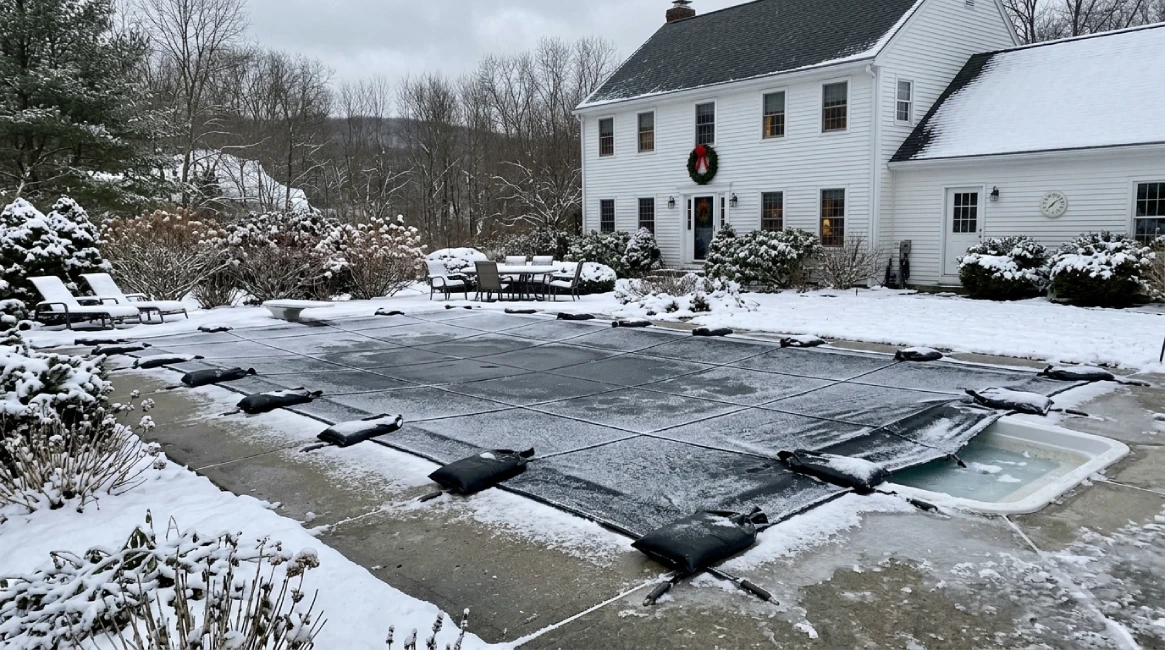
This is where our climate really matters. New England’s repeated freeze-thaw cycles — water seeping into surfaces, freezing, expanding, and cracking them — and frost heave (frozen, waterlogged soil pushing against the pool shell) stress every pool differently. Here’s the honest breakdown.
Fiberglass — the most freeze-thaw resilient. Fiberglass shells are flexible and non-porous, so the gelcoat surface doesn’t absorb water, and the shell can handle the ground’s expansion and contraction without cracking. Fiberglass is also a natural insulator, retaining heat better and making winterization simpler. It generally has the lowest risk of winter cracking and the fastest spring opening because algae struggles to grow on the smooth surface. For a low-maintenance pool in a cold climate, fiberglass has a real edge.
Vinyl liner — freeze-resistant walls, a more delicate liner. The steel or polymer wall panels stand up well to freezing temperatures and aren’t prone to structural cracking. The vulnerability is the liner itself, which can become brittle, shrink, wrinkle, or crack in deep freezes, so careful winterization matters. Crucially, never drain a vinyl pool to “protect” it over winter — an empty pool risks groundwater damage and a brittle liner.
Gunite — strongest structure, but the surface needs care. This one has two sides. Concrete is porous and rigid, so the plaster surface is the most susceptible to freeze-thaw cracking and typically needs resurfacing every 10–15 years in our climate. At the same time, a properly built and reinforced gunite pool is structurally extremely strong and stands up to shifting soil — which is exactly why New England’s largest, longest-running pool builders construct thousands of gunite pools here. The takeaway: gunite can absolutely thrive in New England when built correctly with proper reinforcement, but you should budget for periodic surface maintenance.
No matter the material, proper installation — correct base, drainage, and reinforcement — is what protects a pool from frost heave. And never leave any inground pool drained over a New England winter. This is the single biggest reason to choose an experienced local builder over the lowest bid.
Maintenance Comparison
Pool Type | Routine Upkeep | Chemical Use | Major Maintenance |
Fiberglass | Light brushing, vacuuming | Lowest (non-porous) | Rare |
Vinyl Liner | Light cleaning (non-porous) | Low | Liner replacement every 8–12 yrs |
Gunite | Regular brushing (porous surface) | Highest | Resurfacing/acid wash every 10–15 yrs |
Fiberglass and vinyl share a non-porous advantage that means fewer chemicals and less scrubbing. Gunite’s porous plaster gives algae more to hold onto, requiring more brushing and chemical attention plus periodic resurfacing.
Customization & Design
If a one-of-a-kind backyard is your priority, this category can decide everything:
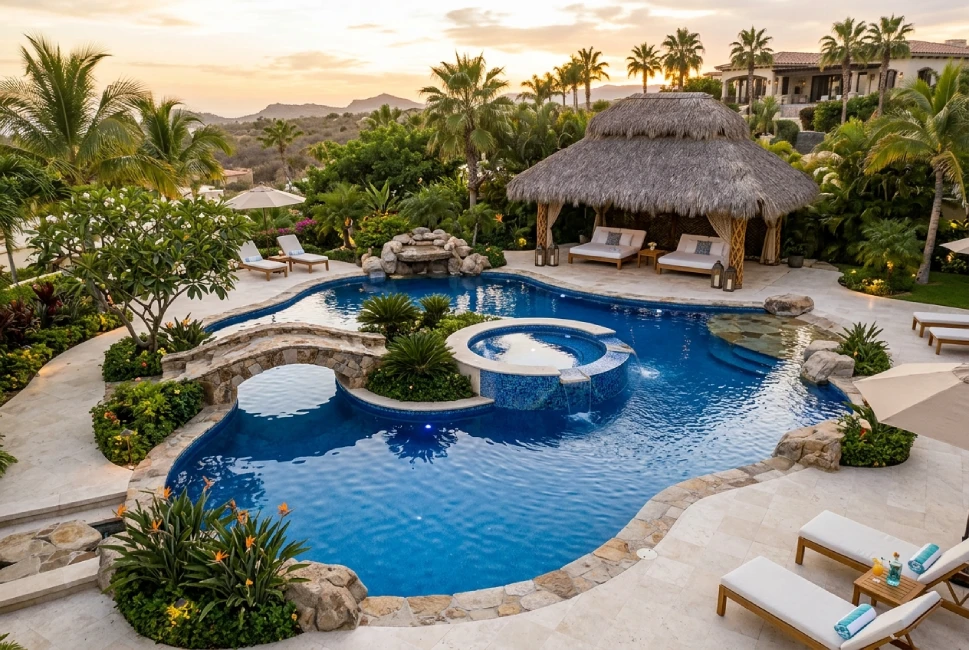
- Gunite: Unlimited. Any shape, depth, or feature — vanishing edges, beach entries, tanning ledges, integrated spas, and waterfalls. The go-to for luxury and resort-style designs.
- Vinyl: Flexible. Custom shapes and sizes are possible, though within the limits of the wall-panel system and liner.
- Fiberglass: Most limited. You choose from manufacturer molds — though modern lines offer many styles (rectangular, kidney, freeform, lap pools, and pool-spa combos) with built-in features like benches and steps.
Installation Time
In New England, where the building season is short, speed can matter:
- Fiberglass: Fastest — the pre-made shell can be set and finished in about 3–6 weeks.
- Vinyl Liner: About 4–8 weeks.
- Gunite: Longest — 8–16 weeks, including excavation, the steel frame, gunite application, and a curing period.
Because of these timelines, many homeowners plan and permit in fall or winter so construction can finish in time for summer.
Which Pool Type Is Right for You?
- Choose fiberglass if you want the best balance of low maintenance, fast installation, energy efficiency, and winter resilience — the practical pick for most New England backyards.
- Choose gunite if you want a fully custom, luxury pool with unlimited design options and you’re comfortable with a higher budget and periodic resurfacing.
- Choose vinyl liner if upfront budget is your top priority and you don’t mind replacing the liner periodically.
The right answer is the one that fits your yard, your budget, and how you want to spend your time — and an experienced local builder can walk you through all three against your specific site.
Frequently Asked Questions
What is the best type of inground pool for New England? For most New England homeowners, fiberglass is the best all-around choice because its flexible, non-porous shell handles freeze-thaw cycles and frost heave well, costs the least to maintain, and installs fastest. Gunite is best for fully custom luxury designs, and vinyl liner is best for the lowest upfront budget.
Is fiberglass or gunite better for cold climates? Fiberglass generally handles cold climates better day-to-day — it flexes with freeze-thaw, resists surface cracking, and needs less winter maintenance. Gunite is structurally very strong and performs well in cold climates when properly reinforced, but its porous plaster surface is more prone to freeze-thaw wear and needs resurfacing every 10–15 years.
Which inground pool is cheapest? Vinyl liner pools have the lowest upfront cost, typically $45,000 to $80,000 installed in Massachusetts. Keep in mind the liner needs replacing every 8–12 years (about $5,000–$7,500), so factor that into the long-term cost when comparing to fiberglass.
Which pool type lasts the longest? A well-built gunite pool can last the longest as a structure — 30+ years and potentially a century with resurfacing. Fiberglass lasts 25–30+ years with the least intervention. Vinyl liner structures can last 30+ years, but the liner itself is replaced every 8–12 years.
Which pool is the lowest maintenance? Fiberglass is the lowest-maintenance inground pool. Its smooth, non-porous gelcoat resists algae, requires fewer chemicals, and needs no resurfacing or liner replacement. Vinyl is also low-maintenance aside from periodic liner swaps, while gunite requires the most upkeep.
How long does each pool type take to install? Fiberglass is fastest at about 3–6 weeks because the shell is pre-made. Vinyl liner pools take about 4–8 weeks, and custom gunite pools take 8–16 weeks, including curing. Permitting and weather can extend any of these timelines.
Can you build a gunite or fiberglass pool in Massachusetts’ climate? Yes. All three pool types are built throughout Massachusetts and New England. The key is proper installation for our freeze-thaw climate — correct base, drainage, reinforcement, and winterization — which is why working with an experienced local builder matters.
Should I ever drain my inground pool for winter? No. Draining an inground pool over the winter risks serious damage — groundwater pressure can shift or “float” the shell, and a drained vinyl liner becomes brittle and prone to cracking. Pools should be properly winterized with water still in them, not emptied.
The Pros, Inc. Luxury Pool Building Company
Book a Project Consultation With Us
Thank You!
Your request has been received. Our team will contact you within 24 hours.
Why Choose The Pros, Inc. for Your New England Pool
With 20+ years of experience, The Pros, Inc. designs and builds all three pool types — fiberglass, gunite/concrete and vinyl liner — across the North Shore, Essex County and Middlesex County MA. Because we build every type, our advice is about what’s right for your backyard and budget, not steering you to one product. We handle the entire project, from 2D/3D pool design and permits to decking, safety fencing and landscaping — all engineered for New England’s freeze-thaw climate. Browse our pool building projects for inspiration, then get a real recommendation for your yard.
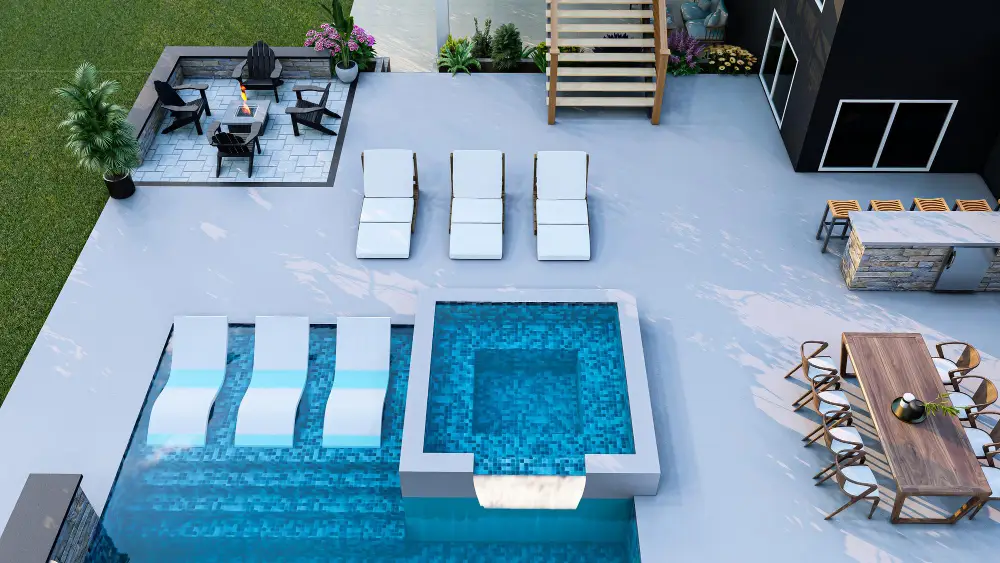
Not sure which pool type fits your backyard? Get a free, no-obligation consultation.
📞 Call (857) 574-4380 or request your pool design consultation online.