
Book a Project Consultation With Us
Your request has been received. Our team will contact you within 24 hours.
In Massachusetts, plants either thrive or they don’t. Deer eat them. Frost kills them. Clay soil drowns them by June. Real garden design services in Massachusetts start with one thing. Know which plants survive our deer, our soil, and our winters. Don’t pick from a catalog written for a warmer state.
Book a Project Consultation With Us
Your request has been received. Our team will contact you within 24 hours.
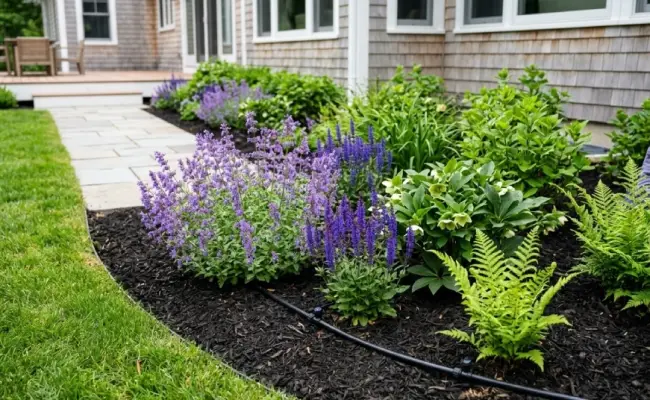
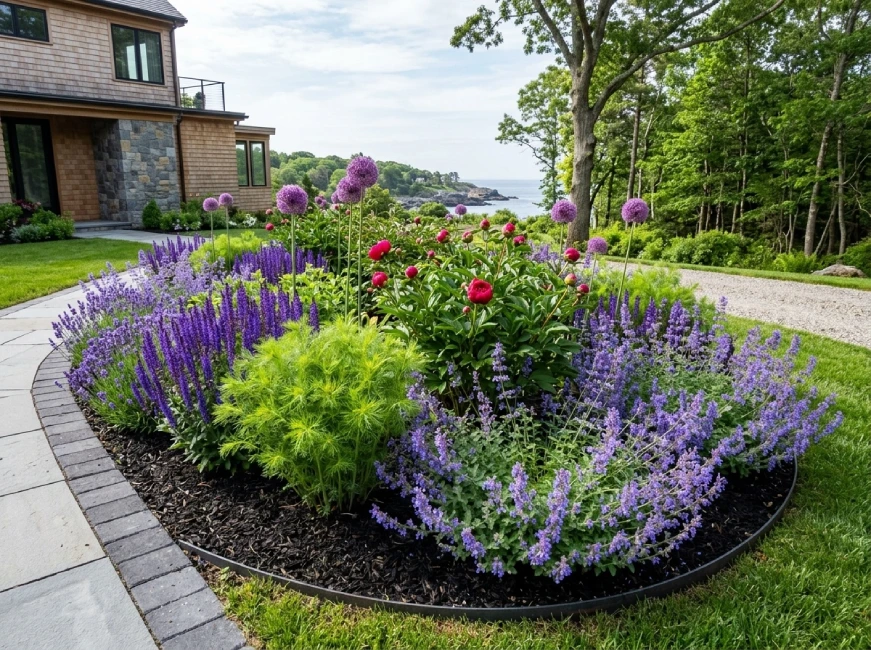
Deer. This is the complaint we hear most, by far. A bed that’s full in June can get stripped by August. So we plan for it from day one. We use proven deer-resistant plants like catmint, salvia, hellebores, and ferns.
Soil. Much of the North Shore and Essex County sits on acidic, rocky, clay-heavy ground. Plants bred for other regions often struggle here. Native plants grew up in this exact soil. So they root faster and need less care.
Winter. A garden has to hold structure for five leafless months. It can’t just look good in July. So we design for winter first, not as an afterthought.
Invasives. Japanese barberry and burning bush choke out beds across Massachusetts. We clear that growth first. New beds shouldn’t compete with it from day one.
Most of Massachusetts sits in USDA Zone 6. The planting window runs roughly April through June, then again September through October. Plant outside that window, and even the right species can struggle to root before weather turns.
Not sure what’s already fighting your yard? Get a free plant assessment before you plant anything else.
Book a Project Consultation With Us
Your request has been received. Our team will contact you within 24 hours.
| Your Problem | Plant Options |
| Deer browsing | Catmint, salvia, hellebores, ferns |
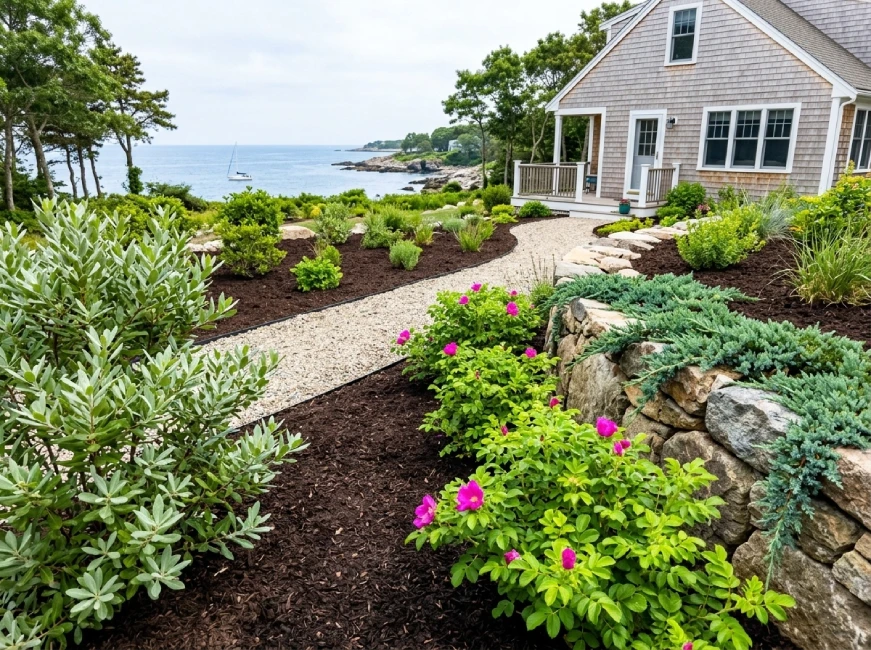
| Salt spray or road salt | Bayberry, juniper, rugosa rose |
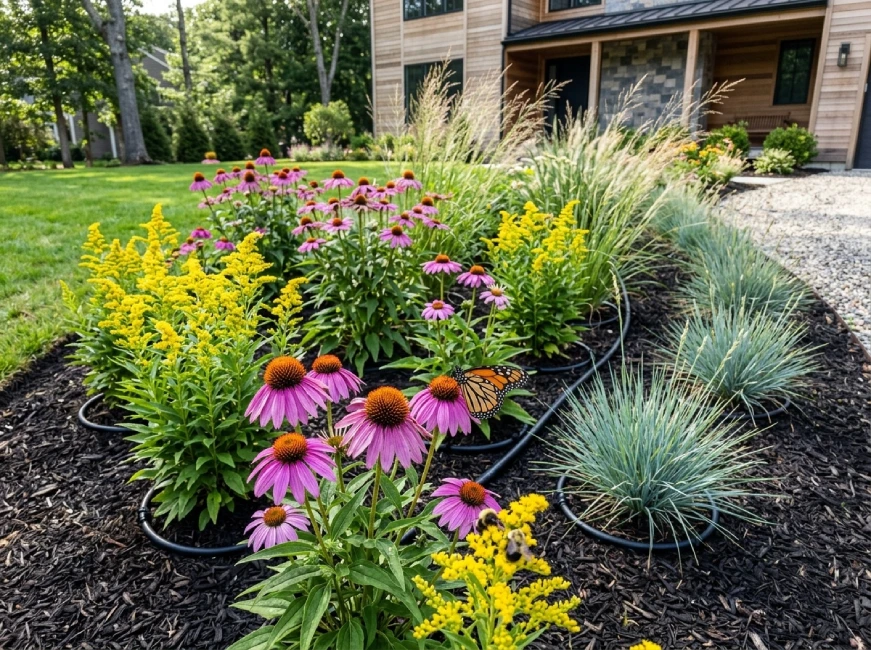
| Late-season color | Goldenrod, sedum ‘Autumn Joy’, asters |
| Pollinator support | Coneflower, native asters, little bluestem |
| Shade or dry soil | Ferns, hellebores, Pennsylvania sedge |


 Trustindex verifies that the original source of the review is Google.
 Trustindex verifies that the original source of the review is Google.
 Trustindex verifies that the original source of the review is Google.
 Trustindex verifies that the original source of the review is Google.
 Trustindex verifies that the original source of the review is Google.
 Trustindex verifies that the original source of the review is Google.
 Trustindex verifies that the original source of the review is Google.
 Trustindex verifies that the original source of the review is Google.
 Trustindex verifies that the original source of the review is Google.
 Trustindex verifies that the original source of the review is Google.
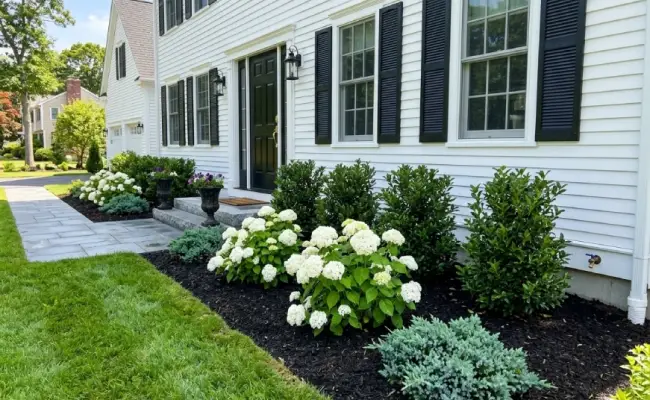
Native and climate-adapted planting is the clearest shift this year. Homeowners are asking for switchgrass, native hydrangeas, and serviceberry over imported plants. Mainly, it’s because native plants root faster and need less water once settled in. Pollinator gardens are close behind. Edible landscaping is rising too, with herbs and fruiting shrubs mixed right into a decorative bed.
Book a Project Consultation With Us
Your request has been received. Our team will contact you within 24 hours.
What garden design services in Massachusetts does The Pros, Inc. offer? We design and install perennial beds, native gardens, pollinator gardens, foundation planting, seasonal color, and edible landscaping. Every plan accounts for Massachusetts soil, deer pressure, and winter conditions.
What are the best deer-resistant plants for Massachusetts? Catmint, salvia, hellebores, and ferns are reliable choices. Strongly scented or textured foliage tends to discourage deer. Still, no plant is fully deer-proof.
Do native plants really need less maintenance? Generally, yes. Native plants grew up in our exact soil and climate. So they root faster. They usually need less water and care than plants brought in from elsewhere.
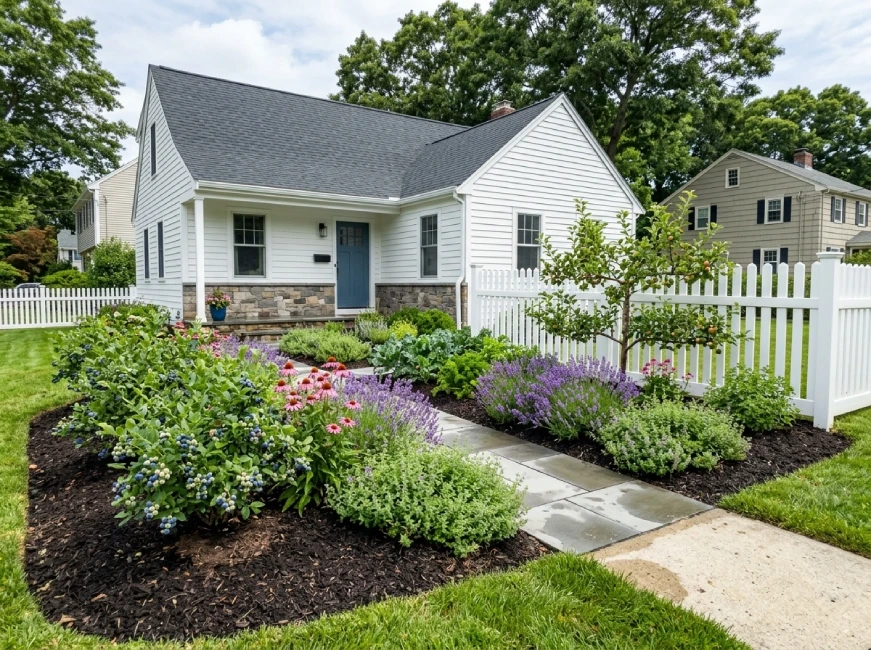
Can you design a garden that includes vegetables and herbs? Yes. Edible landscaping works fruit, herbs, and vegetables right into an ornamental bed. The garden stays functional and good-looking at the same time.
How do I know what will grow well in my specific yard? It depends on your sun exposure, soil, and deer pressure. That’s exactly why we assess each property on its own, instead of using a fixed plant list.
When is the best time to plant in Massachusetts? Most planting works best from April through June, or again from September through October. Most of the state sits in USDA Zone 6. Plant outside that window, and roots get less time to settle in before weather turns.
We’ve designed gardens across the North Shore, Essex County, and Middlesex County for 20+ years. That includes deer-heavy towns like Andover and Lynnfield. Every plant list is built for your actual property. It’s never copied from a generic template. We also reference UMass Extension and Native Plant Trust when we choose species. Native Plant Trust is headquartered right here in Wayland, MA. So our picks are grounded in real regional research, not guesswork. Garden design also pairs well with our landscape design and irrigation services. Got a small yard? See our small yard landscaping ideas. Or check real reviews from our customers first.
Tired of deer eating your garden before you get to enjoy it? Call (857) 574-4380 or request a free consultation.