Most guides on this topic are written for Florida or Texas. They assume twelve months of growth and one contract. That model doesn’t fit a property here. Commercial landscaping in Massachusetts splits into two seasons. Each one needs its own crew, its own gear, and its own risk cover. Get the contract right and the year runs smoothly. Get it wrong and you’ll spend it approving change orders.
Key Takeaways
- Two seasons, not one. Grounds work and snow are separate scopes with separate budgets.
- Scope detail beats price shopping. A vague scope is how a bid gets too cheap.
- Decide on bundling early. One vendor all year, or two? It changes everything after.
- Award before March. Crews book up early. A late award means picking from what’s left.
- Build in a yearly increase. Most contracts carry 3 to 5% a year.
What Grounds Care Actually Costs
Published figures vary a lot. The reason matters. One quote might cover a crew mowing turf. Another might cover full plant care on a corporate campus. Those are not the same product.
| Scope Level | Typical Annual Range (per acre) | What’s Included |
| Basic | $2,500 – $6,000 | Mow, edge, trim, blow |
| Standard | $6,000 – $10,000 | Adds beds, mulch, feeding, weed control |
| Full-service | $8,000 – $15,000 | Adds flowers, pruning, irrigation, detailed plant care |
| Per-visit basis | $35 – $200 per acre | Varies sharply with property size |
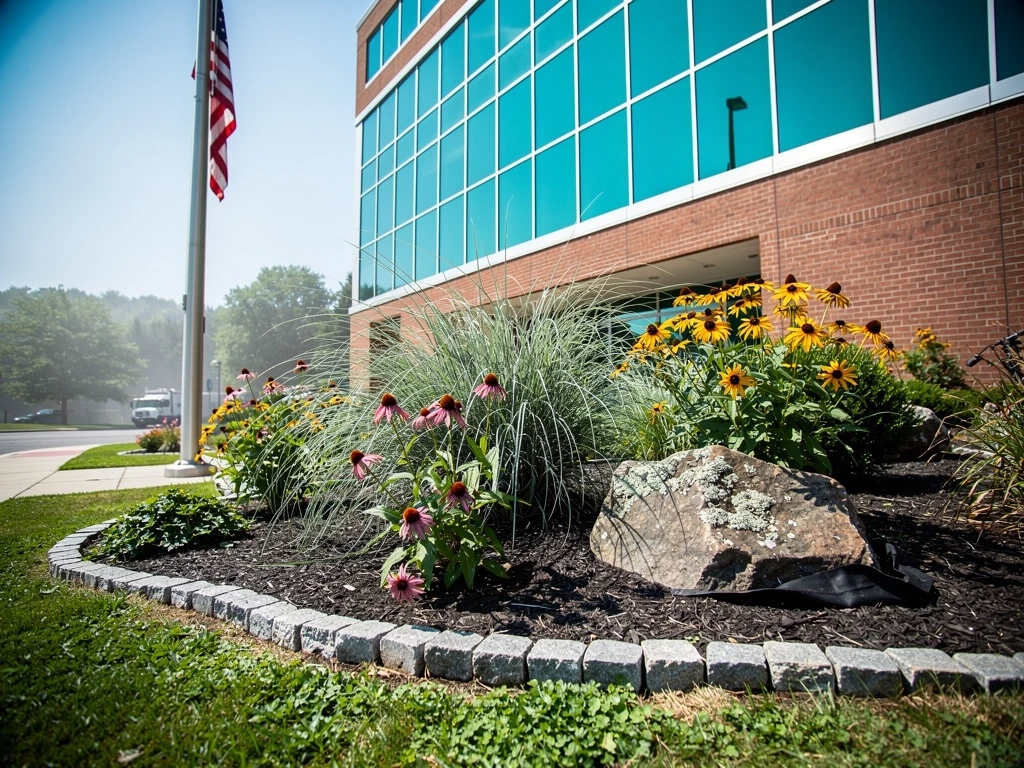
Bigger sites cost less per acre. A 20-acre campus prices well below a 2-acre office park. Setup time gets spread over more ground. Detail works the other way. Islands, curb lines, tight turns, and busy tenant frontage all slow crews down. Each one raises the per-acre price.
Labor here costs more than the national average. So treat any national calculator as a floor, not a target. Property type shifts the number too. Retail and medical sites pay more per acre, because entries and walkways stay under constant public view. Industrial parks usually pay less, since open turf mows fast. HOAs sit in the middle, though bed density often pushes them higher than boards expect.
The Two-Season Problem Nobody Warns You About
This is where a copied RFP template fails you.
A Southern contract covers twelve months of steady grounds work. A site here doesn’t work that way. Growing-season care runs about April through November. Then snow and ice take over, November through April. They’re different jobs. They need different gear and different insurance.
Copy a national template and five months sit undefined. Then the first storm hits. You have no agreed response time, no trigger depth, and no price. That’s the worst moment to work one out. Define both scopes at once, even if you award them apart. Our commercial snow removal cost guide covers per-push, per-acre, and seasonal pricing.
Should You Bundle Snow With Landscaping?
This is the main buying decision in our market. It’s a real trade-off.
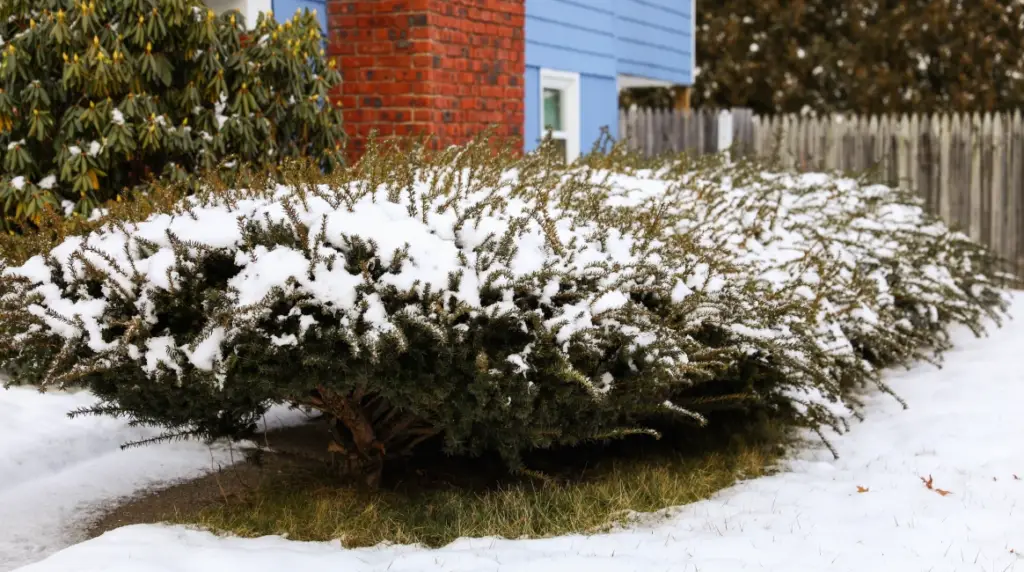
One vendor gives you one team to answer for the site. That team knows your grade, your drainage, and where snow can be piled without killing beds. Plow damage to turf tends to drop. The crew that plows in February also repairs that edge in April. Billing and reporting stay in one place.
Two vendors can price each scope keener. It also lowers your risk if one of them slips. Some large sites split for that reason alone.
For most sites under about 15 acres, one vendor wins. Above that, splitting starts to pay.
Commercial Landscaping Designer MA | The Pros, Inc.
Book a Project Consultation With Us
Thank You!
Your request has been received. Our team will contact you within 24 hours.
What Your Scope of Work Must Define
The National Association of Landscape Professionals treats the written scope as the core of any bid, and for good reason. A vague scope causes more disputes than anything else. “Mowing weekly” tells a contractor almost nothing.
Break the site into parts. Then set a standard for each:
- Turf — cut height by season, edging at curbs, signs, poles and tree rings, plus how clippings are handled
- Beds — pruning windows, weeding schedule, mulch depth and refresh
- Trees — how often they’re checked, the pruning cycle, and who handles storm damage
- Irrigation — startup, mid-season checks, winter blowout, and who pays for repairs. Note that many towns limit outdoor watering in summer, so the contract should say what happens during a restriction
- Walkways and edges — sweeping, weeds in joints, and who reports trip hazards
- Wet spots — where water sits, and what happens after heavy rain
- Entries and tenant frontage — these carry extra visual weight
- Dumpster pads and service areas — always forgotten, always noticed
- Tick and mosquito management — increasingly requested on sites where tenants, staff, or residents use the grounds
Then add the items national templates leave out. Salt damage repair. Plow-edge turf repair. Sand and grit removal. Leave these out of scope and they arrive as change orders every April.
Contract Terms Managers Often Overlook
Price gets all the attention. These four clauses decide how the year actually goes.
The exit clause. What happens if service slips? Look for a written cure period, usually 30 days, and a clear termination right if the problem isn’t fixed. A contract you can’t leave is a contract with no pressure behind it.
Auto-renewal. Many agreements roll over on their own. Check the notice window, then set a calendar reminder well before it closes.
Billing structure. In a two-season market this matters more than elsewhere. Some contractors bill twelve equal monthly payments across the year. Others bill only during the eight active months. Even billing smooths your budget. Seasonal billing matches spend to service. Neither is wrong, but decide which one your books need.
Who actually does the work. Ask which services get subcontracted. Tree work, irrigation repairs, and pesticide application often go to third parties. That’s normal. But you should know who’s on your property and who carries the insurance.
Massachusetts Compliance Items
Three local requirements catch commercial buyers out.
Wetlands review. Work within 100 feet of a wetland resource area can need Conservation Commission review under the state Wetlands Protection Act. Many commercial sites have detention basins, drainage swales, or buffer zones that qualify. Confirm before any grading, planting, or drainage work begins.
Pesticide licensing. Commercial applications require proper Massachusetts licensing. Ask for current credentials, and keep copies on file with your service records.
Summer water limits. Town restrictions can cap irrigation exactly when turf needs it most. Your contract should say how the contractor adjusts, rather than leaving you with brown turf and no explanation for ownership.
The Liability Items That Belong in the Contract
Grounds work on a business site carries risk that home work doesn’t.
ADA access. Routes, parking aisles, and walkways must stay clear. That duty doesn’t pause in February.
Trip hazards from frost heave. Freeze-thaw lifts walkway slabs and pavers over time. Your contract should name who checks for this. It should also set how fast hazards get reported. Where the problem keeps returning, walkways may need a proper frost-depth rebuild instead of more patching.
Insurance and records. Check liability limits and workers’ comp. Ask whether you need a certificate naming the property as additional insured. Large RFPs often ask for a performance bond.
Visit logs. Dated service and storm records matter a great deal if a claim is ever filed.
How to Evaluate Bids Properly
Comparing prices only works if the scopes match. Usually they don’t.
- Send one written scope to every bidder. Same document, same parts, same standards.
- Ask for what’s included and what’s excluded. What they leave out tells you more than what they put in.
- Convert every bid to cost per acre per year. It’s the only fair way to compare.
- Check the yearly increase. Expect 3 to 5%, often tied to a labor index.
- Ask about the crew. A named crew, an account manager, and regular site walks all shape real quality.
- Check insurance and references on sites of similar size and type.
A bid 30% below the rest isn’t a bargain. It’s usually a scope gap you’ll pay for later.
Timing: Award Before the Season Starts
Our season is short, so timing matters. Crews lock in routes early. The best ones fill up well before spring.
A workable timeline looks like this:
- Re-bid: every three to five years, or sooner if service slips
- Issue the RFP: late fall or early winter
- Award by: February, ideally
- Renewal reminder: 90 to 120 days before the end date
Wait until March and you’ll choose from whoever still has room. That rarely ends well.
Frequently Asked Questions
How much does commercial landscaping in Massachusetts cost? Full-service grounds care usually runs $8,000 to $15,000 per acre each year. That’s $800 to $1,600 per acre monthly. Basic mow-and-blow costs far less. Snow and ice are budgeted apart.
Should snow removal be in the same contract as landscaping? For most sites under about 15 acres, yes. One vendor means one team to answer for the site. The crew that plows in winter also repairs the turf in spring. Larger sites sometimes price better when the scopes are split.
When should I put a landscaping contract out to bid? Send the RFP in late fall or early winter. Award it by February. Crews lock in routes early, so a March award means picking from what’s left.
How often should commercial landscape contracts be re-bid? Every three to five years is standard. Re-bid sooner if quality drops. Set a reminder 90 to 120 days before the end date, so you’re not rolled over automatically.
What should a landscaping scope of work include? Break the site into parts. Turf, beds, trees, irrigation, walkways, wet spots, entries. Set a clear standard for each. Here, also add salt damage repair, plow-edge repair, and grit removal.
Why do commercial landscaping bids vary so much? Usually the scopes differ, not the prices. A low bid often leaves out beds, flowers, or irrigation. Ask every bidder to list what’s excluded, so the gaps show.
Why Property Managers Choose The Pros, Inc.
The Pros, Inc. handles commercial landscaping in Massachusetts across the North Shore, Essex County, and Middlesex County. We’ve worked on homes and business sites for 20+ years. We run grounds care and snow and ice service under one contract. So the crew that plows your lot in February repairs that turf edge in April. We also cover irrigation, spring and fall cleanups, commercial fencing, and hardscape repair. Fewer vendors means clearer answers when something goes wrong.
Planning next season’s contract? Call (857) 574-4380 or request a commercial proposal.
The Pros, Inc. Landscaping & Hardscaping Company MA