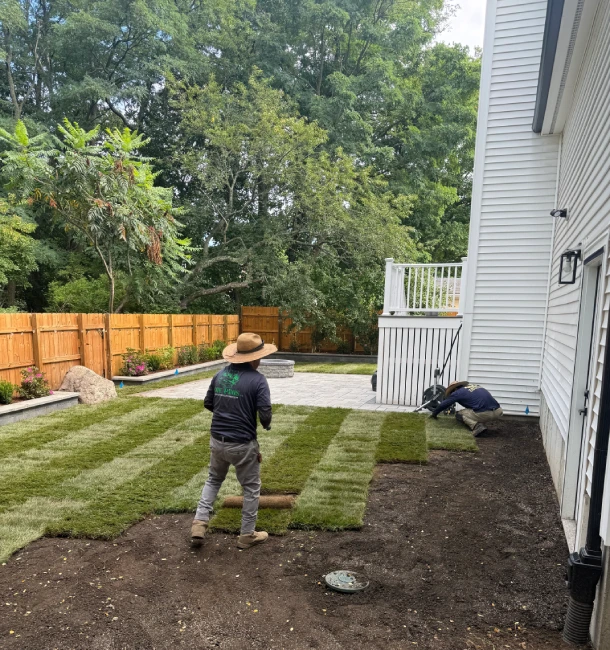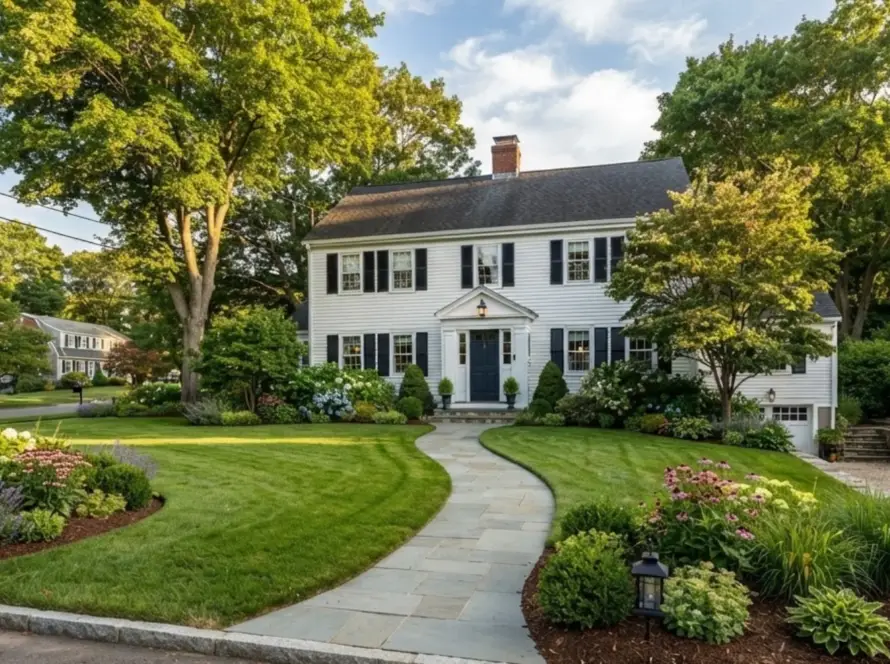
Sod vs seeding comes down to three things: speed, budget, and timing. Sod gives you a usable lawn in about two to three weeks. Seed costs less, but it needs a full season to fill in. In Massachusetts, the calendar matters as much as the method.
This guide compares both options side by side. First, you will see typical timelines. Next, you will learn the best install windows for New England. Finally, you will get clear signs of which method fits your yard.
Quick answers
- Fastest result: Sod. Most lawns handle light use in two to three weeks.
- Lowest upfront cost: Seed. However, it asks for more watering and patience.
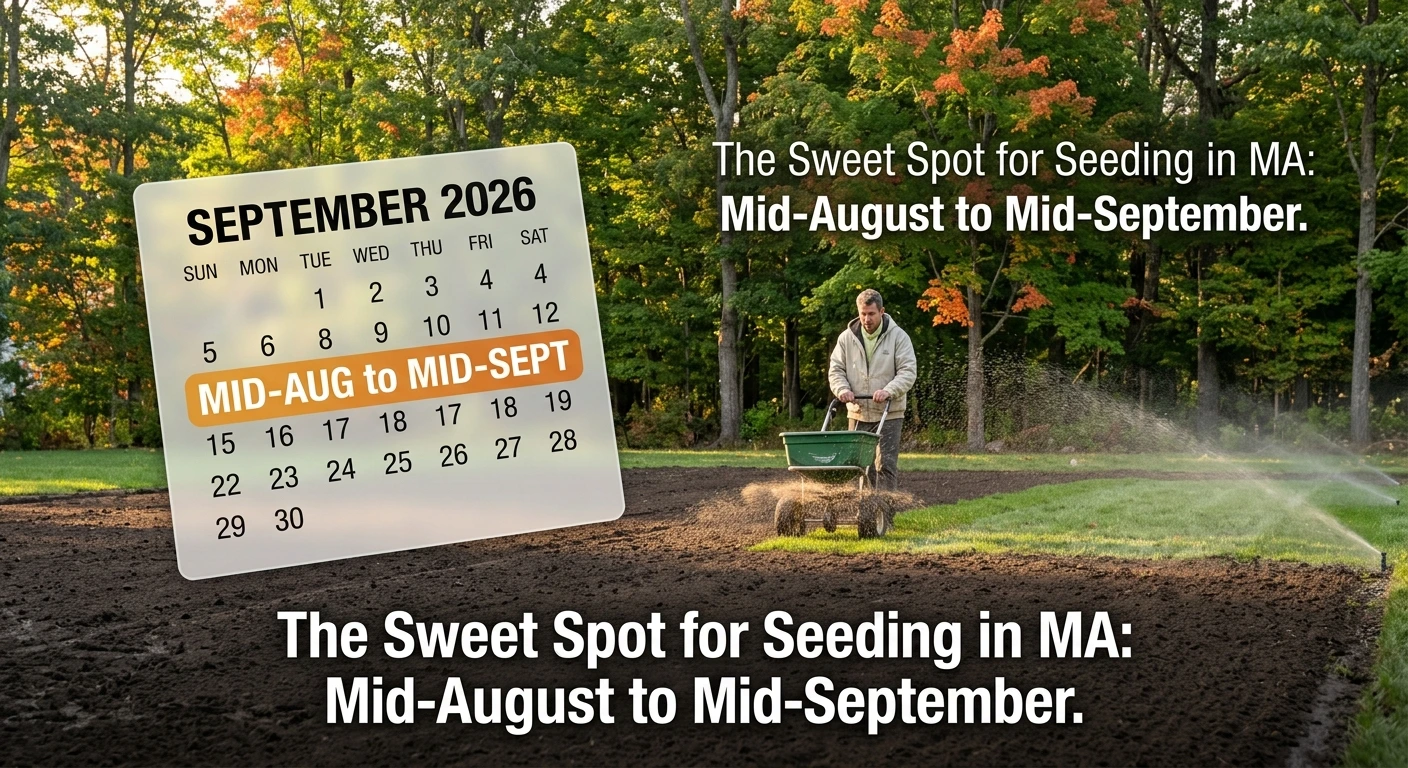
- Best seeding window in MA: Mid-August to mid-September, per UMass Extension.
- Most flexible timing: Sod. You can lay it in spring or fall when the soil is workable.
- What decides success: Soil prep and watering, not just the method.
Sod vs Seeding at a Glance
The sod vs. seeding comparison below covers the factors homeowners ask about most. Timelines are typical. However, they shift with weather, grass type, and care.
| Factor | Sod | Seed |
| Time to a usable lawn | About 2–3 weeks | About 8–12 weeks, plus a full season to mature |
| Upfront cost | Higher | Lower |
| Best install window in MA | Spring through fall, when soil is workable | Mid-August to mid-September |
| Weed pressure | Low, since the turf is already dense | Higher while seedlings fill in |
| Slopes and heavy rain | Holds soil right away | Seed can wash out |
| Watering at the start | Steady moisture so roots knit in | Light, frequent watering for weeks |
| Grass choice | Limited to grower blends | Wide choice, including shade mixes |
How Fast Does Sod Really Work?
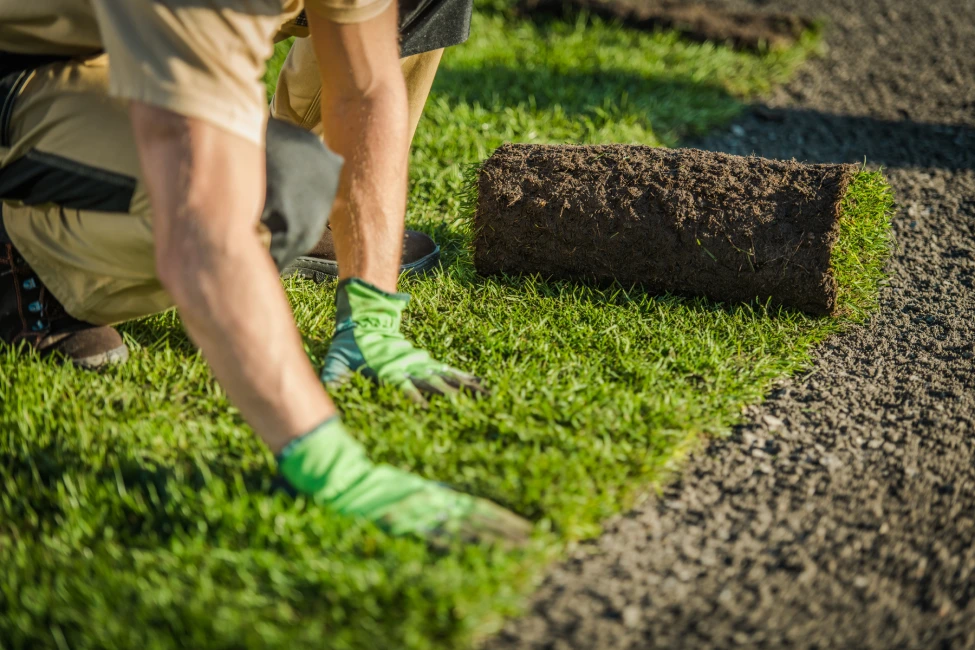
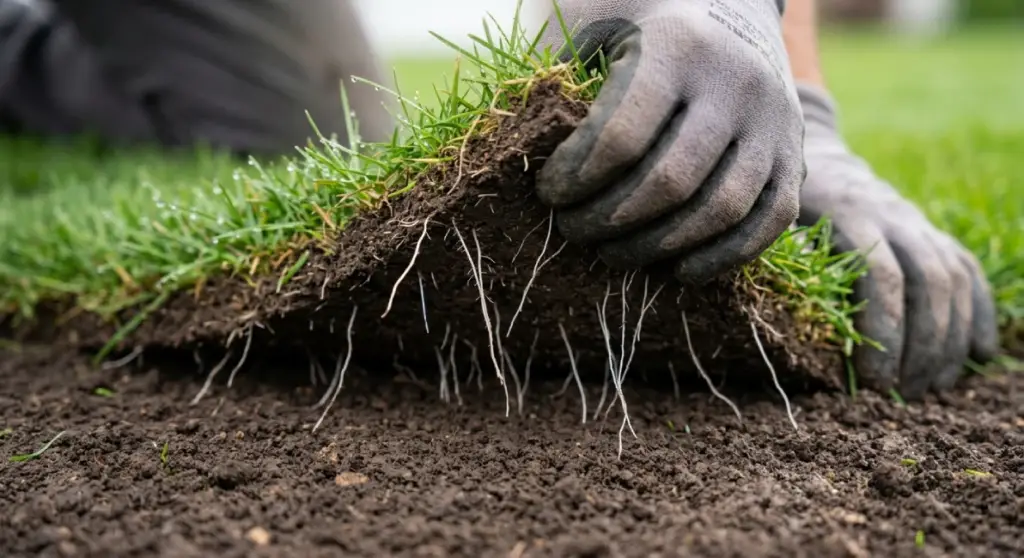
Sod is the faster option because it arrives as mature grass. In other words, you lay a finished lawn instead of growing one from scratch. Here is a typical timeline:
- Day one: Crews lay sod on a level, prepared bed and water it right away.
- Weeks one and two: Keep the sod evenly moist. Stay off it while roots knit into the soil.
- Days 10 to 14: Tug a corner gently. If it resists, the roots have taken hold.
- Week three: Mow for the first time once the grass is dry and firmly rooted.
- Week four and beyond: Ease into normal use and a regular mowing routine.
That speed pays off in many situations. For example, think of a front yard before a home sale or a backyard before a big party. Our sod installation service handles grading, delivery, and laying, so you get a clean, level result.
How Long Does Seeding Take in Massachusetts?
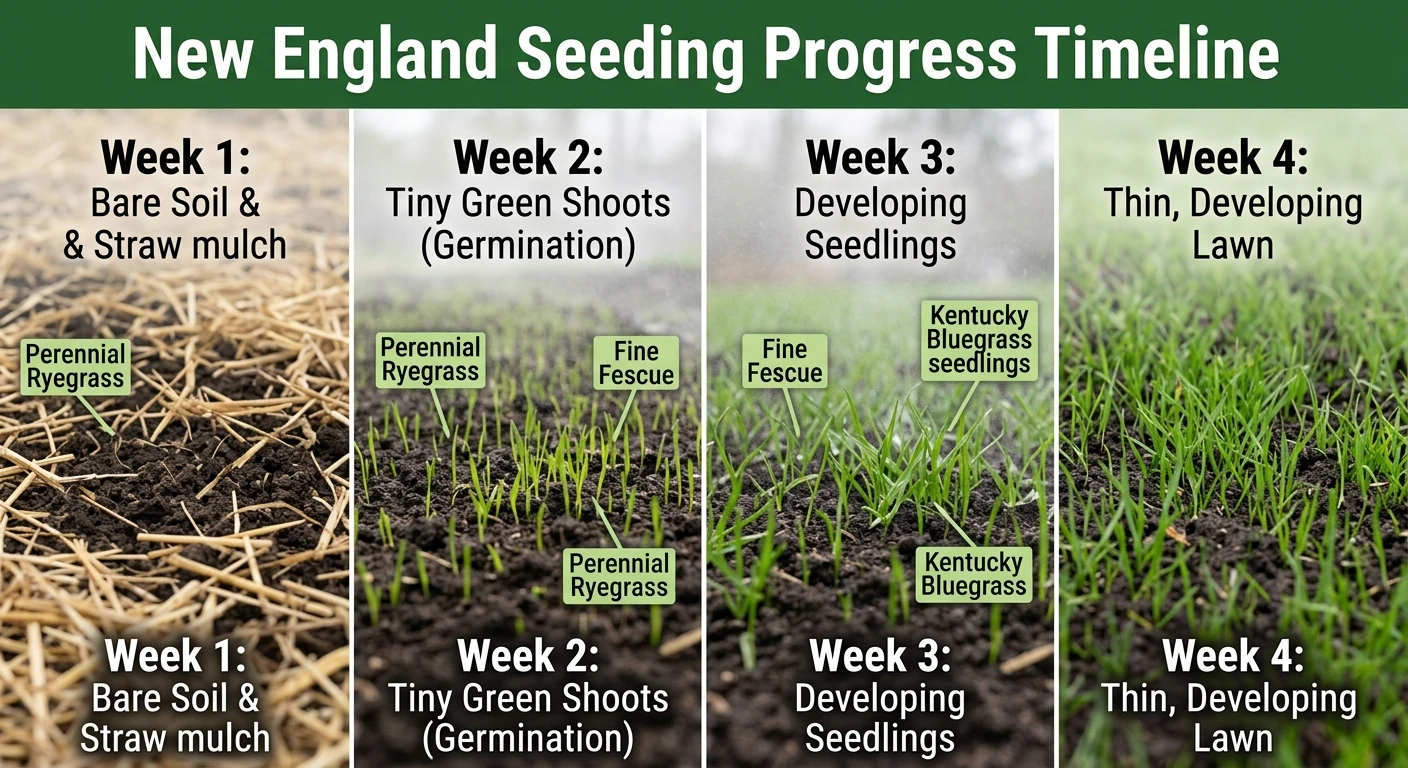
Seeding takes longer because grass must sprout, root, and thicken. Germination speed depends on the grass type:
- Perennial ryegrass: often sprouts in about a week.
- Fescues: usually take one to two weeks.
- Kentucky bluegrass: can take two to four weeks.
After sprouting, seedlings need careful watering. UMass Extension advises keeping the seedbed damp with light, frequent watering, sometimes two to three times a day. Then you mow once seedlings stand about one-third taller than your target height. You can read more in UMass Extension’s lawn establishment guidance.
Many seeded lawns look full after two to three months of good growing weather. However, they keep thickening through the first year. So plan for patience, especially on high-traffic areas.
Sod Installation Company MA | The Pros, Inc.
Book a Project Consultation With Us
Thank You!
Your request has been received. Our team will contact you within 24 hours.
Sod vs Seeding: The Best Time in Massachusetts
For seed, mid-August to mid-September is the sweet spot in Massachusetts. UMass Extension says late-summer seeding generally gives the best results. Warm soil speeds germination. Meanwhile, cooler air and fall rain help seedlings settle in, and weed pressure drops.
Spring seeding works, but it is harder. Weeds sprout at the same time and compete with young grass. As a result, spring-seeded lawns often need more attention.
Sod is more forgiving. Because it arrives as mature turf, you can lay it in spring and fall whenever the soil is workable. Spring sod also stands up to annual weeds better, according to UMass Extension. In fall, give it several weeks to root before hard freezes.
Avoid peak summer heat for both methods unless you can water consistently. So in the sod vs seeding decision, the calendar often picks the winner.
Missed the seeding window? If it is already late September, the best seeding window is closing. Fall sod is then your strongest move. It roots in while the soil is still warm and sets you up for a strong spring.

Sod vs Seeding: Which Fits Your Yard?
Choose sod when:
- You want a finished look fast, such as before hosting or selling.
- Your yard has a slope, because sod holds soil in place immediately.
- A new patio, pool, or wall just left bare soil behind.
- You want fewer weeds, since dense turf leaves little room for them.
- Kids or pets need a usable surface soon.
Choose seed when:
- The area is large, and sod cost would add up.
- Budget matters more than speed.
- You can seed between mid-August and mid-September.
- Shady spots need a dedicated shade mix.
- You are overseeding thin patches on an otherwise healthy lawn. Pair it with our fall cleanup service.
Planning more than a lawn? Our landscape design team can plan turf, patios, planting, and lighting as one project. You can even preview it with 3D landscape rendering before we build.
Sod vs Seeding: Why Prep Matters More Than the Method
Both methods fail on poor soil. So in any sod vs seeding project, prep work decides the result. Follow these steps:
- Test your soil. UMass Extension offers soil testing, and the results show what to add.
- Clear the site. Remove rocks, debris, and old weeds.
- Grade for drainage. Many North Shore yards sit on shallow ledge or heavy clay, so water needs a clear path away from your home.
- Add quality topsoil. Then firm the bed without compacting it.
- Plan your watering. An irrigation system takes the guesswork out of those first weeks.
Coastal yards add one more challenge. In towns like Nahant, Swampscott, and Marblehead, wind and salt spray stress new grass. Our coastal landscaping tips explain what helps. Once the lawn is in, plants and garden beds can frame it with color and structure.
How to Choose Between Sod and Seed in 4 Steps
Use these four steps to settle the sod vs seeding question:
- Set your deadline. Need a lawn in weeks? Choose sod.
- Check the calendar. Mid-August to mid-September favors seed. Outside that window, lean toward sod.
- Read the site. Slopes, heavy rain, and bare soil favor sod. Large, flat, shady areas can suit seed.
- Match budget and effort. Seed saves money up front. However, it asks for more watering and patience.
Still unsure? A site visit settles the question quickly. Our guide to landscaping costs in Massachusetts can also help you budget for the full yard.
Sod vs Seeding FAQs
Here are quick answers to common questions about sod vs seeding.
Is sod better than seed?
It depends on your goals. Sod wins on speed, slope protection, and fewer weeds. Seed wins on large areas and tighter budgets. Match the method to your deadline, your site, and the season.
How long before I can walk on new sod?
Most homeowners wait about two to three weeks. Roots need that time to knit into the soil. A gentle tug on a corner shows whether the sod has rooted. Save heavy use for a little later.
What is the best month to seed a lawn in Massachusetts?
UMass Extension points to mid-August through mid-September as the most reliable window. Warm soil helps seed sprout, and cooler air helps seedlings settle in. After that, sod becomes the safer choice.
Can you lay sod in the fall in Massachusetts?
Yes, in most years. Lay it while the soil is workable, and give roots several weeks to settle before hard freezes. Keep it evenly moist until it roots.
Can I lay sod over an existing lawn?
We recommend removing the old turf first. Old grass and weeds can block new roots from reaching the soil below. Clear the area, prep the bed, and then lay fresh sod.
Is sod worth the extra cost?
For many yards, yes. You pay more up front, but you skip weeks of waiting and reduce washout on slopes. If your area is large and your timeline is flexible, seed may be the better value.
Ready for a New Lawn in Massachusetts?
The Pros, Inc. designs and installs lawns across the North Shore, Essex County, and Middlesex County. Our crew preps the site, lays the sod, and can plan irrigation and planting around it. Your first consultation at your property is free.
Request a free quote or call 857-574-4380 to get started. You can also explore our sod installation service.
The Pros, Inc. Landscaping & Hardscaping Company MA